Category Archives: Local stories

Local Running Hero

Menna-JOGLE-Challenge-2
Menna running in Scotland

Menna running in Scotland

Llansadwrn runner Menna Evans is running for Welsh wildlife

On 21st July our Menna started running at John O’Groats … and she’s still running.

Menna started her journey in John O’Groats and will complete her Ultra run at Lands End. In total Menna will be running 1,010 miles and climbing 75,500 feet (that’s two and a half times up Everest!). That’s a marathon a day, 6 days a week!

Menna made the decision to support the Wildlife Trust of South and West Wales who manage the beautiful Dinefwr Castle Woods (including castle) , Talley Lakes and Poor Man’s Wood/Gallt y Tlodion on our doorstep.

If you’d like to support Menna you can follow her journey on her Facebook page or blog, or you can support her by donating via her Just Giving page.

Menna-JOGLE-Challenge-2


Llansadwrn Village Show

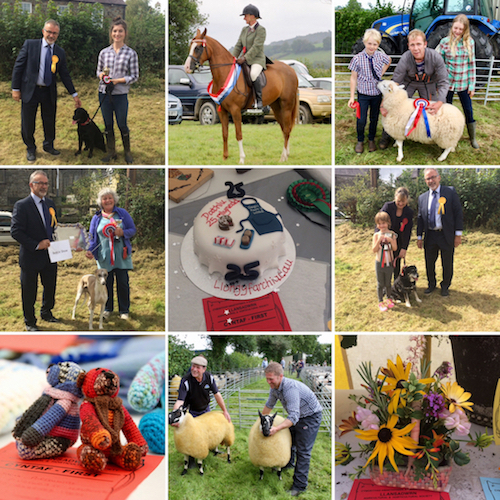
Winners Llansadwrn show 2017

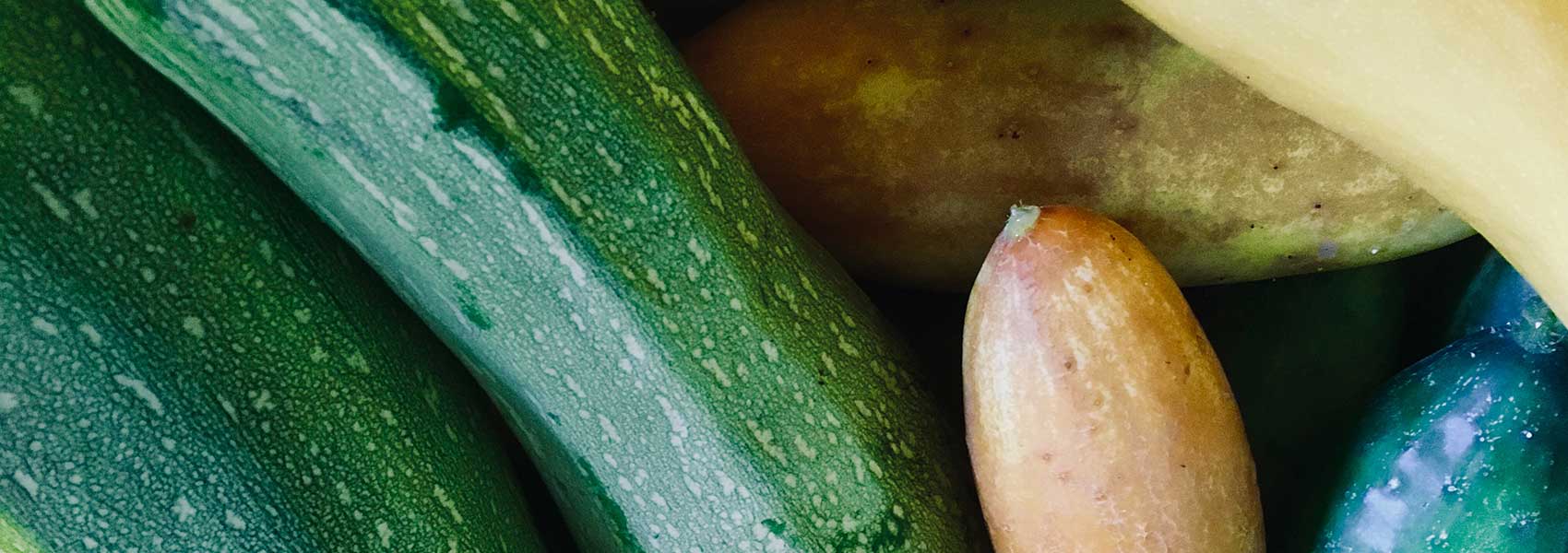
Vegetables for the Llansadwrn Show

Get out your veg, show off your pooch, share your skills

We know we have a talented village and nothing shows it off better than the annual village show on the 16th this year.

2018 promises to be a particularly fun one with rumours of a vintage tractor display which should keep young and old entertained.

For a full show programme you can go to the Llansadwrn show website where you can also see last years winners.

Llansadwrn Community Garden

Creating a community space

There are many thousands of community gardens throughout the world including several in Wales.

Some are natural areas, wild flower meadows, or art gardens, whilst others are used to grow vegetables, or fruit trees.

Community Gardens have been shown to have positive health benefits for the people involved. They contribute to a sense of community, and neighbourhood improvement.

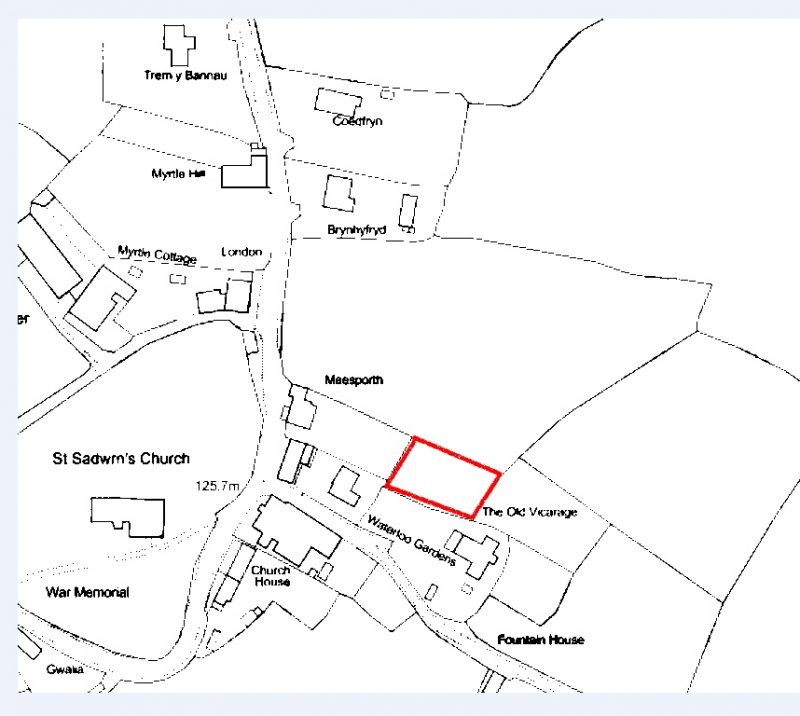
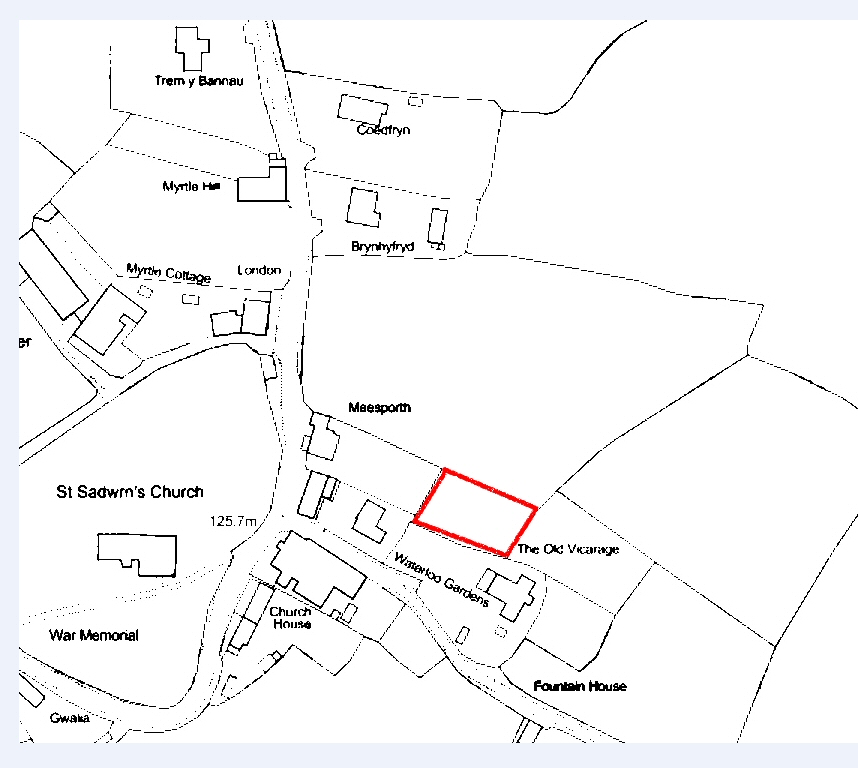
Llansadwrn Community Council have agreed that a community garden be established on the Community Field between Maesporth and The Old Vicarage, (coloured red on the plan)

If you would like to be involved in setting up LLANSADWRN COMMUNITY GARDEN, have a word with John. (john@wales123.plus.com)


Flowers bringing beauty to community spaces


Local Artists Feature on Tywi Valley Open Studios

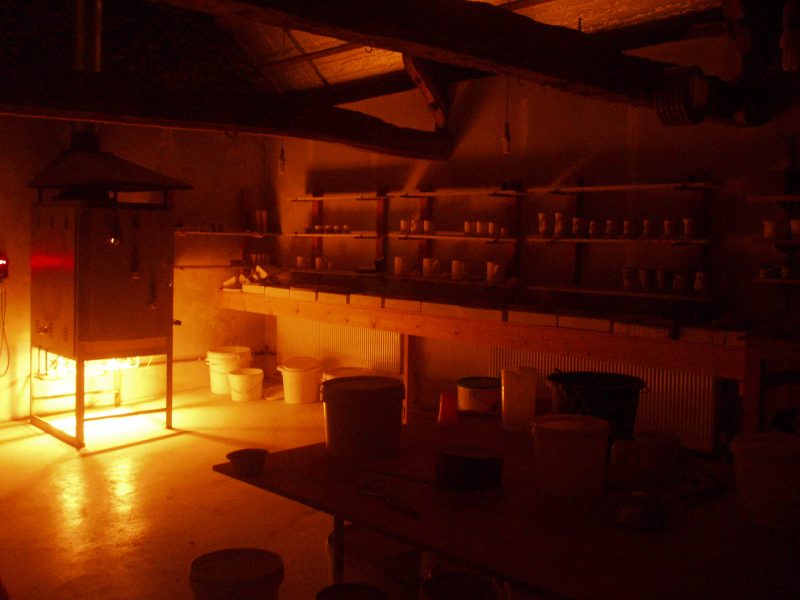
16. Kiln firing in the dark
Tilla decorating pourers

Tilla decorating pourers

Local artists James and Tilla Waters join 38 other talents in Carmarthenshire on the creative Tywi Trail

A host of local workshops are available to join over the next few weeks. Not only can you have a go at bead making or life drawing in workshops (and everything in between) you can also observe artists in their native habitat.

A wealth of talent

Included in the list are our very local artists James and Tilla Waters who make stunning ceramic art for sale around the country. Within the website you will see a variety of trails you can follow to see different artists at their home studios. You can see a full list of local activities in the guide.

There are four studios south of Llangadog – Jacob Buckland, painter, Claire Spencer, printmaker, Clare Misselbrook, eco-artist & Carole Spackman, potter…there are yet more north of Llangadog. Follow yellow direction signs to find them all.

Himalayan balsam pest

himalayan-balsam-in-Llansadwrn

Himalayan balsam is an annual plant which was introduced during Victorian times. A fast growing plant it really enjoys our Welsh climate.

There is a growing recognition that this is a problem plant which is causing chaos in our fields, hedgerows and particularly along river banks. Increasing amounts of it are being seen around Llansadwrn and we should be concerned as our local countryside is stunning and rich in wildlife but this is a real threat to it.

This annual rapidly out-competes native plants leaving no diversity and when it dies back in early autumn it leaves the soil bare and vulnerable to erosion.

One thing which has been in its favour was the food it offered to bees however the lack of plant diversity is not great for them either.

It spreads quickly and forms dense thickets, altering the ecological balance and character of wetland habitats. The explosive nature of its seed release (seeds can be projected up to four meters away) means it can spread upstream as well as downstream. There is concern that its presence results in decreased pollination for other native plants.

himalayan-balsam--Lyndsey-Llansadwrn himalayan-balsam-in-Llansadwrn Himalayan balsam flower
<
>
Whilst the flower is pretty the explosive seeds ensure it spreads rapidly and densely

This species is listed on Schedule 9 of the Wildlife and Countryside Act in England and Wales therefore, it is also an offence to plant or otherwise cause to grow these species in the wild.

What can you do?

When you see the plant you should pull it and break off the root. They are easy to remove and deal with.

Hanging it to dry out in trees also helps kill off the plant.

You can also plant your garden with other later flowering species to improve conditions for wildlife.

Some of the native species that provide the later nectar that bees require include:

Purple loosestrife
Water mint
Evening primrose
Cranesbill
Sneezewort
Clovers
Campion
Marsh Mallow
Tree Mallow
Rosebay willow herb
Fox and cubs
Viper’s bugloss
Knapweed
Self heal
Lesser bird’s foot trefoil
Lady’s bedstraw
St John’s wort
Knapweed
Pansy
Mullein
Cinquefoil
Chicory
Agrimony
Toadflax
Comfrey
Hawkbits
Yellow toadflax
Fennel
Herb Robert
Valerian
Hemp agrimony
Daisies

In your garden you can also include

Abelia chinensis
Abelia ‘Edward Goucher’
Butterfly bush. Buddleia davidii
Myrtle. Myrtus communis
Verbena bonariensis

The British Beekeeping Society have produced an excellent list of plants to improve nectar availability for wildlife.

Sneezewort

Sneezewort

St Johns wort

St John’s wort